TEL:+86 132 6656 7067


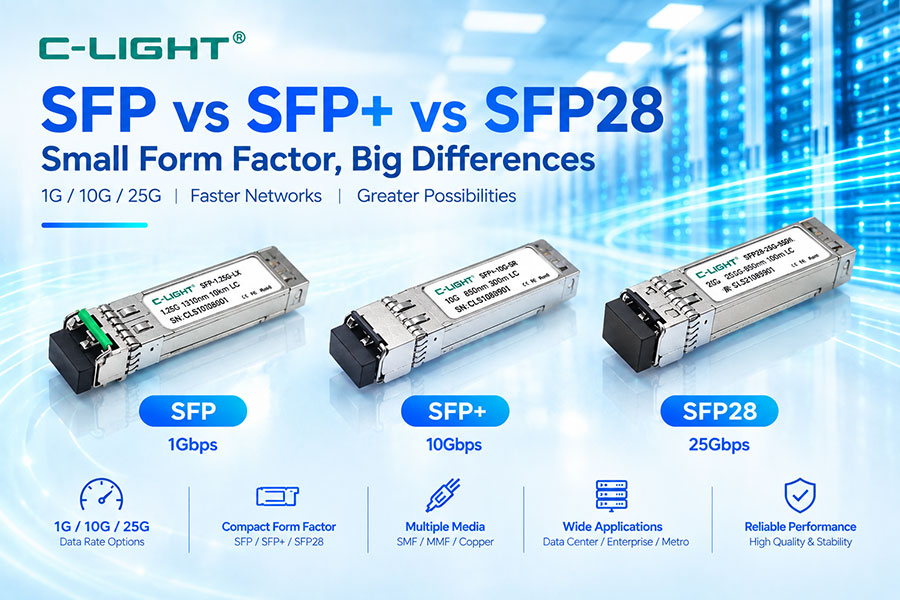
SFP, SFP+, and SFP28 are widely used pluggable transceiver form factors for Ethernet and optical networking. Although they have a similar physical size, they are designed for different data rates and electrical interfaces. SFP is commonly associated with 1Gbps networking, SFP+ with 10Gbps, and SFP28 with 25Gbps. Understanding these differences is important when selecting optical transceivers for switches, servers, storage networks, and data center connections.
1. What Are SFP, SFP+, and SFP28?
SFP stands for Small Form-factor Pluggable. It is a compact, hot-pluggable transceiver form factor used to connect network equipment to copper or fiber cabling.
SFP+ is an enhanced version of SFP designed primarily for 10Gbps Ethernet and other high-speed applications.
SFP28 is a higher-speed evolution of the same general form factor, designed for 25Gbps Ethernet and commonly used in modern data center networks.
2. SFP vs SFP+ vs SFP28 at a Glance
| Feature | SFP | SFP+ | SFP28 |
|---|---|---|---|
| Typical Data Rate | 1Gbps | 10Gbps | 25Gbps |
| Common Ethernet | 1000BASE-X | 10GBASE-SR/LR/ER | 25GBASE-SR/LR/ER |
| Electrical Interface | Typically 1G SerDes | 10G-class SerDes | 25G-class SerDes |
| Form Factor | SFP | SFP+ | SFP28 |
| Typical Application | Enterprise and access networks | 10G Ethernet and storage | Data centers and server networks |
3. What Is an SFP Transceiver?
An SFP transceiver is a compact optical or copper module commonly used for 1Gbps networking. Depending on the optical specification, SFP modules can support different wavelengths, fiber types, and transmission distances.
Common examples include 1000BASE-SX for multimode fiber and 1000BASE-LX for single-mode fiber. Copper SFP modules are also available for Ethernet connections over twisted-pair cabling.
4. What Is an SFP+ Transceiver?
SFP+ is designed primarily for 10Gbps networking. Compared with SFP, it provides a substantially higher electrical data rate while maintaining a similar compact pluggable form factor.
10G SFP+ modules are widely used in switches, servers, storage systems, data center networks, and enterprise aggregation links.
5. What Is an SFP28 Transceiver?
SFP28 is designed for 25Gbps Ethernet and provides a higher-speed interface while retaining the compact SFP-family form factor.
25G SFP28 transceivers are widely used for server-to-switch connections, data center leaf-spine networks, storage infrastructure, and high-performance computing environments.
6. Why Does SFP28 Support 25Gbps?
SFP28 was developed to support approximately 25Gbps per electrical lane, providing a significant bandwidth increase over 10Gbps SFP+ while keeping a similar module footprint.
This makes SFP28 particularly useful for increasing server network bandwidth without requiring a much larger transceiver form factor.
7. SFP vs SFP+: What Is the Difference?
The primary difference between SFP and SFP+ is data rate. SFP is commonly used for 1Gbps applications, while SFP+ is primarily designed for 10Gbps applications.
SFP+ also requires a higher-speed host electrical interface and is optimized for higher-frequency signal transmission. The optical interface and transmission distance depend on the specific transceiver type.
8. SFP+ vs SFP28: What Is the Difference?
SFP+ is primarily a 10Gbps platform, while SFP28 is designed for 25Gbps networking. Both use compact pluggable modules, but their host electrical interfaces operate at different data rates.
SFP28 provides more bandwidth per port and is therefore commonly selected for modern data center server and switch connections.
9. SFP vs SFP28: What Is the Difference?
SFP and SFP28 represent two different generations of network connectivity. SFP is commonly associated with 1Gbps Ethernet, while SFP28 supports 25Gbps Ethernet.
Although they have similar physical dimensions, they should not be treated as electrically interchangeable. The host port must support the required electrical rate and module specification.
10. Are SFP, SFP+, and SFP28 the Same Size?
SFP, SFP+, and SFP28 belong to the same general compact pluggable module family and have similar mechanical dimensions. However, similar physical dimensions do not guarantee compatibility.
Compatibility depends on the switch port, host electrical interface, firmware, coding, supported data rates, and the specific module specification.
11. Can SFP28 Ports Support SFP+ Modules?
Many SFP28 host ports can operate at lower speeds such as 10Gbps when the switch or network device supports multi-rate operation. However, this is platform-dependent.
The safest approach is to check the equipment manufacturer's supported transceiver list and port specifications before using an SFP+ module in an SFP28 port.
12. Can SFP+ Ports Support SFP28 Modules?
An SFP+ port designed only for 10Gbps operation generally cannot provide 25Gbps operation simply by installing an SFP28 module.
The host port must have the required 25Gbps electrical capability and software support. Therefore, SFP28 compatibility should always be verified at the switch or server port level.
13. SFP, SFP+, and SFP28 Optical Types
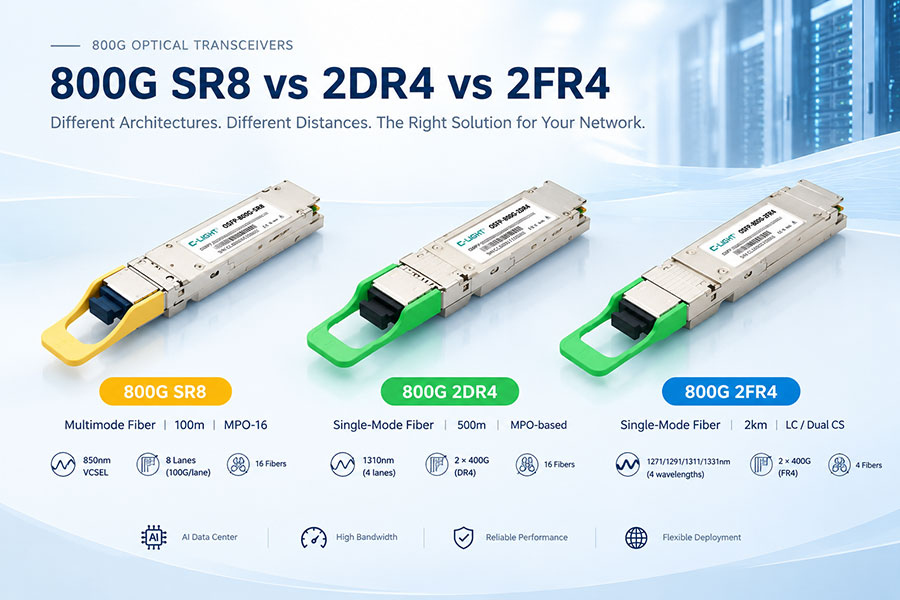
All three form factors can be used with different optical technologies depending on the application. Common optical parameters include wavelength, fiber type, transmission distance, connector type, and optical power budget.
For example, SFP+ modules are available for short-range multimode connections and longer single-mode links. SFP28 modules are similarly available in different optical configurations for data center and telecom applications.
14. SFP, SFP+, and SFP28 Fiber Types
Multimode fiber is commonly used for short-distance data center connections, while single-mode fiber is generally selected for longer transmission distances.
The appropriate fiber type depends on the transceiver specification. A module designed for multimode fiber should not be used as a direct replacement for a single-mode module simply because the connector is the same.
15. SFP vs SFP+ vs SFP28 DAC Cables
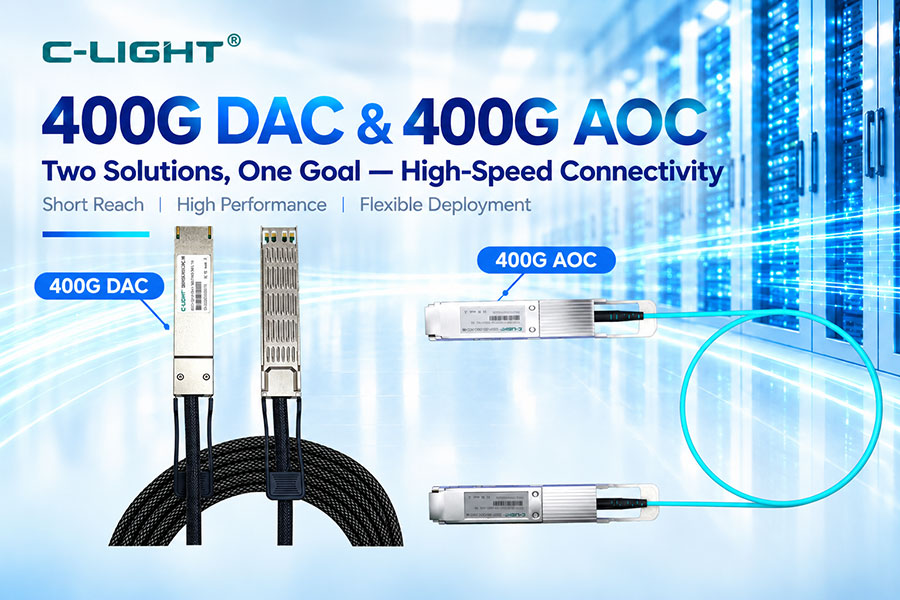
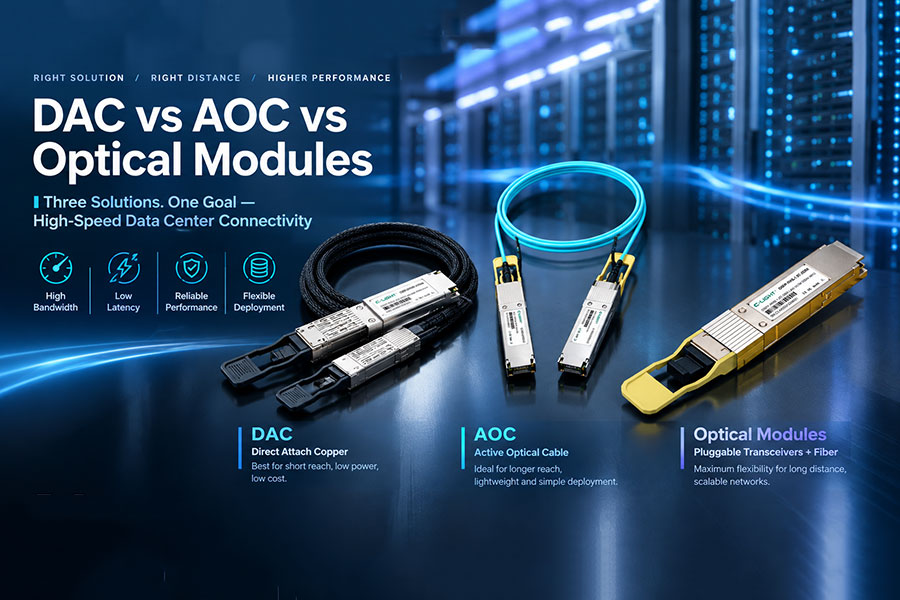
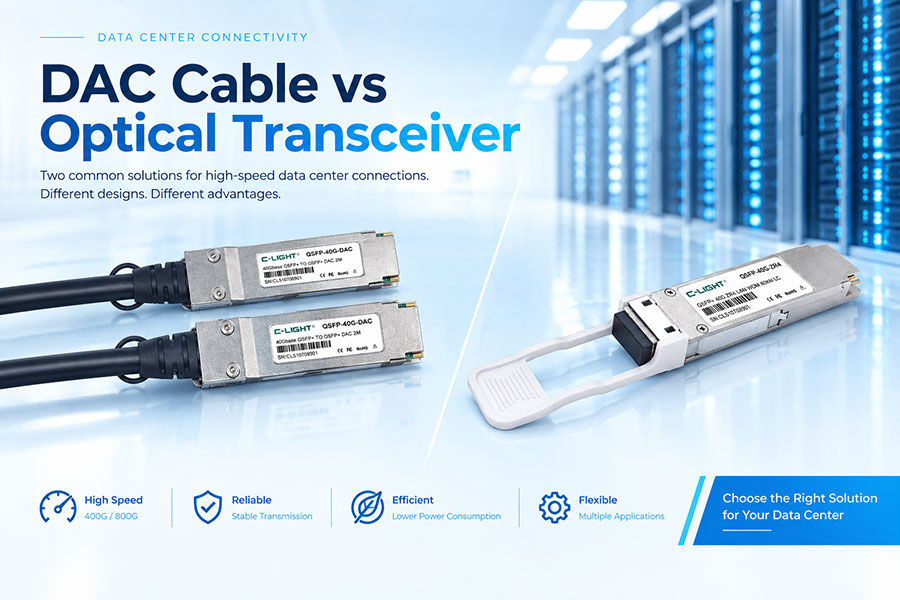
DAC cables are another important application of the SFP family. SFP DAC is commonly used for short 1G connections, SFP+ DAC for short 10G connections, and SFP28 DAC for short 25G connections.
DAC provides a direct electrical connection between compatible network ports and is commonly used for short server-to-switch and switch-to-switch links.
16. SFP vs SFP+ vs SFP28 AOC
AOC uses optical transmission inside the cable assembly and is commonly selected when a longer short-reach connection is required compared with copper DAC.
SFP+ AOC is widely used for 10G links, while SFP28 AOC is commonly used for 25G data center connections. The actual supported distance depends on the cable design and optical specification.
17. Power Consumption Comparison
Power consumption varies significantly by optical design, transmission distance, laser technology, temperature range, and module architecture. In general, higher-speed modules may require more power than lower-speed modules, although modern optical designs continue to improve power efficiency.
For large data centers, module power consumption should be evaluated together with port density, thermal design, and total system power.
18. SFP, SFP+, and SFP28 Applications
SFP is commonly used in enterprise access networks, aggregation networks, industrial Ethernet, and 1Gbps fiber connections.
SFP+ is widely deployed in 10G Ethernet, storage networks, enterprise networks, data center uplinks, and switch-to-switch connections.
SFP28 is particularly important for 25G server connectivity, data center leaf-spine architectures, AI and HPC infrastructure, storage networks, and high-density Ethernet deployments.
19. Which Is Better: SFP, SFP+, or SFP28?
There is no universal best option. The correct choice depends on the required network speed, switch and server port capability, transmission distance, fiber type, cable type, and future bandwidth requirements.
SFP is suitable for 1Gbps requirements, SFP+ is a practical choice for 10Gbps networks, and SFP28 is better suited to new 25Gbps data center deployments where higher port bandwidth is required.
20. How to Choose Between SFP, SFP+, and SFP28?
Start by confirming the host port speed supported by the switch, server, NIC, or other network equipment. Then select the corresponding transceiver data rate.
Next, consider transmission distance, multimode or single-mode fiber, connector type, optical wavelength, power consumption, operating temperature, and equipment compatibility.
For new data center deployments, SFP28 can provide greater bandwidth per port than SFP+ and may offer a better path for network capacity expansion.
21. SFP vs SFP+ vs SFP28 for Data Centers
Data center networks increasingly require higher bandwidth per server and higher port density. SFP+ remains widely deployed in 10G infrastructure, while SFP28 provides 25Gbps connectivity for newer server and switch architectures.
The choice should consider not only the current bandwidth requirement but also server NIC capability, switch port density, cabling architecture, and future network upgrades.
22. SFP vs SFP+ vs SFP28 Compatibility
Mechanical compatibility does not necessarily mean operational compatibility. A transceiver must match the host port's supported data rate, electrical interface, management protocol, firmware requirements, and optical or copper interface.
Vendor compatibility testing is also important in multi-vendor networks. EEPROM coding and platform-specific requirements can affect whether a module is recognized and operates correctly.
23. SFP vs SFP+ vs SFP28: Key Takeaways
| Requirement | Recommended Form Factor |
|---|---|
| 1Gbps Ethernet | SFP |
| 10Gbps Ethernet | SFP+ |
| 25Gbps Ethernet | SFP28 |
| Short copper connection | SFP/SFP+/SFP28 DAC depending on speed |
| Short optical connection | SFP/SFP+/SFP28 AOC or optical transceiver |
| Higher-density data center server connectivity | SFP28 |
24. Conclusion
SFP, SFP+, and SFP28 share a similar compact pluggable concept but target different network generations. SFP is mainly associated with 1Gbps connectivity, SFP+ with 10Gbps, and SFP28 with 25Gbps Ethernet.
When selecting between them, data rate is only the first consideration. Host-port compatibility, transmission distance, fiber type, optical specification, power consumption, coding, and network architecture should also be evaluated. For modern high-density data center networks, SFP28 provides a practical 25Gbps upgrade path from 10Gbps SFP+ infrastructure.
 >
>

 >
>
 >
>
 >
>
 >
>
 >
>
 >
>
 >
>