TEL:+86 132 6656 7067


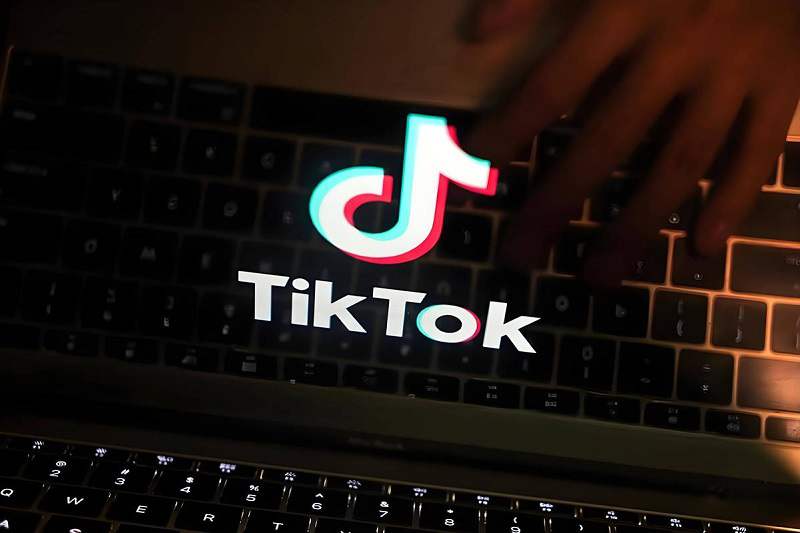
At the construction site of the Pecem Industrial and Port Complex in Brazil, a vast data center campus will take shape in the coming years. Funded by TikTok’s parent company ByteDance, the project represents not only one of the largest digital infrastructure investments in Brazil’s history but also Latin America’s first data center built specifically for the platform.
01 Massive Investment
The scale of the investment is remarkable. TikTok plans to invest approximately 200 billion Brazilian reais, equivalent to $37.7–38 billion, in the Pecem Industrial and Port Complex in Ceará state, northeastern Brazil.
This move marks a major infrastructure investment by TikTok globally and stands as one of the largest digital infrastructure projects ever undertaken in Brazil.
The investment volume exceeds the annual total investment in many traditional industries in Brazil, highlighting the emphasis tech giants place on digital infrastructure.
02 Strategic Location
The Pecem Industrial and Port Complex was not chosen arbitrarily. It is close to the Port of Fortaleza, a hub for several submarine cables connecting South America, Europe, and Africa.
This proximity will provide natural advantages for data exchange between Brazil and other regions worldwide, reducing latency and improving data transmission efficiency.
The government of Ceará state has offered a series of incentives, including tax benefits, aligning with the Brazilian federal government’s strategy to attract high-tech investments.
03 Clean Energy Commitment
Data centers are known for their high energy consumption, but TikTok has committed to powering the project entirely with renewable energy. To achieve this, the company has partnered with Brazilian renewable energy supplier Casa dos Ventos.
The partner will build dedicated wind farms to support the data center. This initiative aligns with the global trend among tech companies to reduce carbon footprints and leverages Brazil’s abundant renewable energy resources.
Brazil boasts one of the cleanest electricity matrices in the world, with hydropower, wind, and solar accounting for over 80% of its total power generation.
04 Collaborative Approach
TikTok is not undertaking this complex project alone. In addition to partnering with energy supplier Casa dos Ventos, the company has also teamed up with data center developer Omnia.
Such specialized collaboration models are increasingly common in large infrastructure projects, with tech companies providing funding and requirements while professional developers handle design, construction, and initial operations.
Omnia’s extensive experience in the Latin American data center market will help mitigate project execution risks and ensure progress stays on schedule.
05 Market Context and Regulatory Considerations
Brazil has approximately 150 million internet users, making it the largest digital market in Latin America. TikTok’s monthly active users in Brazil exceed 82 million, reflecting a large and engaged user base.
In recent years, Brazilian regulators have increased data localization requirements, advocating for domestic storage of user data to enhance data security and privacy protection.
TikTok’s investment is a direct response to this trend, enabling better compliance with Brazil’s data regulations through local data center infrastructure.
06 Global Strategic Expansion
While facing policy uncertainties in the U.S. market, TikTok’s increased investment in emerging markets like Brazil reflects a diversification of its global strategic focus.
The Brazilian government views data centers and artificial intelligence as key components of its national digital strategy. President Luiz Inácio Lula da Silva has welcomed the investment and pledged necessary policy support.
The global data center market is currently in a phase of rapid growth, with Latin America being one of the fastest-growing regions, projected to exceed an annual growth rate of 15%.

The head of a Brazilian energy research firm noted, “The energy demand from this investment scale is equivalent to about 3% of Brazil’s total electricity consumption in 2024,” posing challenges to grid stability and renewable energy supply capacity.
As dawn breaks over the Pecem port, sunlight gradually illuminates the expansive industrial land, soon to become a critical node in Latin America’s digital infrastructure.
With construction equipment steadily arriving, this land will not only carry TikTok’s strategic ambitions in emerging markets but also reflect Brazil’s future transformation toward a digital economy.
 >
>

 >
>
 >
>
 >
>
 >
>
 >
>
 >
>
 >
>